Portfolio website vs a personal website
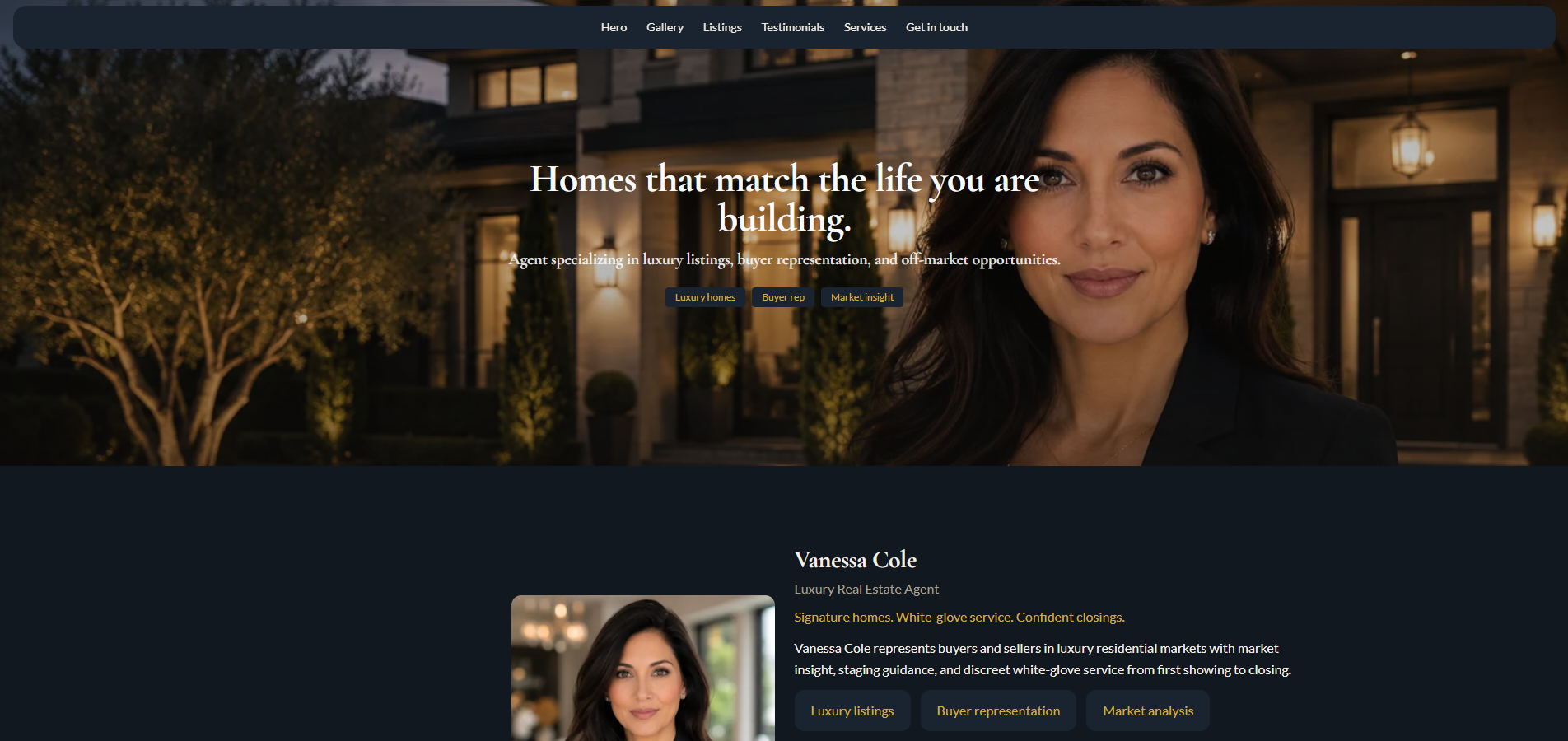
A personal website answers who you are. A portfolio website answers what you have done. The useful public URL does both: an about, the work, and a way to get in touch.
People search for these as if they were different products. In practice the difference is emphasis.
When the page is a personal website
Job seekers and students usually start here. The resume is the source. The site should repeat the same name, dates, and skills, then add the projects a PDF cannot show. That is a personal website built from a resume, not a second biography you maintain by hand.
On Portura that path is A personal website from your resume. Import the resume and publish. If you are applying, the job-description tools are there when you need them. Cover letters and match scoring are on Pro. They are not part of the free publish step.
When the page is a portfolio website
Designers, developers, and photographers lead with the work. Galleries, case studies, and selected projects matter more than a long career timeline. A portfolio website for designers and a portfolio website for developers are that shape: proof first, about second, contact on the page.
When it is a site for the business
Freelancers, realtors, and trades still need the work on the page. They also need services and a contact path, and they do not need a store. A website for freelancers is services, proof, and booking. A website for realtors is listings, about, and a form. A website for trades and shops is a gallery, a service list, and contact. None of those are a checkout.
Use one site
Do not run a personal site and a portfolio on two builders. Put About, Work, Services, and Contact on one Home page. Add extra pages on Plus when a listing set, a gallery, or a booking page should have its own URL.
Build the portfolio website from the resume or the project list. Extra pages are Plus. There is no store.